Interior Design Styles Explained: Modern, Boho, Scandinavian, Coastal & More
Interior design styles are not rules — they are vocabularies. Understanding the defining materials, colors, and furniture of each style helps you communicate what you like and mix styles intentionally rather than by accident. This glossary covers the ten most common styles with direct definitions, defining elements, and who each one suits.
What is modern interior design?
Modern design is a historical movement rooted in the Bauhaus principle that form follows function. It emerged in the early-to-mid 20th century and is defined by clean lines, a neutral palette, and honest materials — steel, glass, concrete, and natural wood.
Defining materials: Steel, glass, polished concrete, matte black hardware, natural oak. Defining colors: White, warm gray, black, with one bold accent. Defining furniture: Low-profile, geometric, unadorned.
Who it suits: People who value clarity, calm, and uncluttered spaces. Not for collectors — modern design requires restraint.
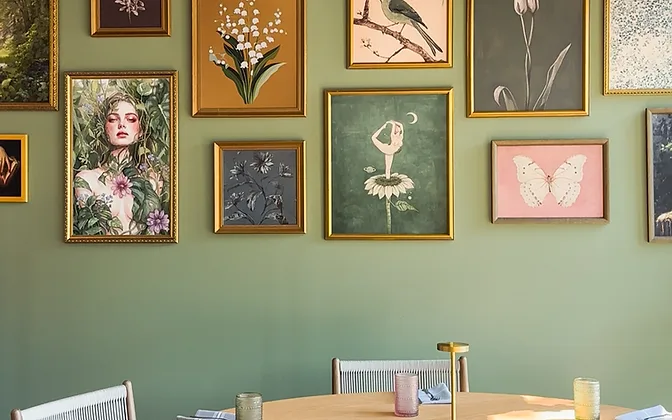
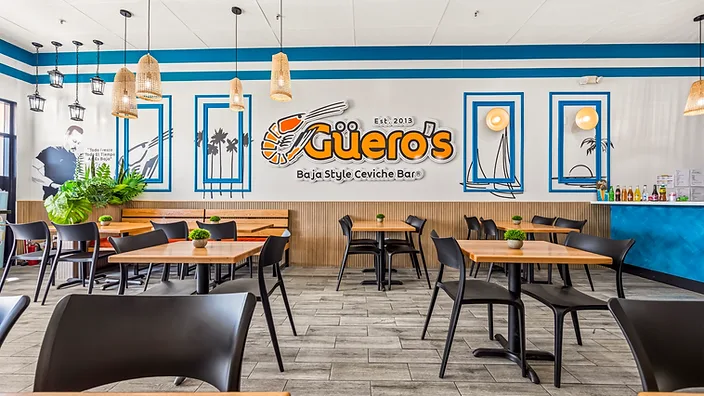
See modern principles in our Flora and warm hospitality design in our Mariscos El Guero. For a deeper dive, see our guide on modern interior design.
What is contemporary interior design?
Contemporary means "of the moment" — whatever is trending right now. It borrows from modernism but is not bound to it. Contemporary spaces often mix materials, eras, and references.
Defining materials: Whatever is current — right now, that includes warm woods, natural stone, and organic textures. Defining colors: Neutral with bold accents; shifts with trends. Defining furniture: A mix of modern and organic shapes.
Who it suits: People who want a current look and are comfortable updating over time.
What is mid-century modern?
Mid-century modern is a subset of modern design from the 1940s to 1960s. It is warmer and more organic than strict modernism, with tapered legs, curved forms, and warm wood tones.
Defining materials: Walnut and teak wood, molded plastic, bentwood. Defining colors: Warm wood, mustard yellow, teal, olive green. Defining furniture: Tapered legs, organic shapes, Eames-style chairs.
Who it suits: People who love vintage warmth but want it in a clean, functional framework.
What is Scandinavian design?
Scandinavian design is a mid-century movement from Denmark, Sweden, and Norway. It emphasizes function, simplicity, and light — a response to long, dark northern winters.
Defining materials: Light woods (birch, ash, pine), wool, linen, ceramic. Defining colors: White, soft gray, pale blue, light wood. Defining furniture: Simple, functional, light-colored, often with organic curves.
Who it suits: People who want warmth and simplicity without minimalism's coldness. Ideal for small spaces — see our small space design ideas.
What is bohemian (boho) interior design?
Bohemian design is eclectic, layered, and personal. It mixes colors, patterns, textures, and objects from different cultures and eras. It is the opposite of minimalism — more is more, as long as it tells a story.
Defining materials: Rattan, jute, macrame, kilim rugs, vintage textiles. Defining colors: Warm earth tones — terracotta, mustard, deep red, jewel tones. Defining furniture: Mix-and-match, vintage, low seating, floor cushions.
Who it suits: People who collect, travel, and want their home to feel lived-in and personal rather than curated.
What is coastal interior design?
Coastal design draws from the beach — light, air, and natural textures. It is not about nautical themes (anchors and shells); it is about a relaxed, breezy feel.
Defining materials: Whitewashed wood, linen, sea grass, natural stone. Defining colors: White, soft blue, seafoam green, sandy beige. Defining furniture: Relaxed, slip-covered, light-colored.
Who it suits: People who want a calm, relaxed home that feels like a weekend retreat.
What is industrial interior design?
Industrial design draws from converted warehouses and factories. It celebrates raw, structural materials and exposed building systems.
Defining materials: Exposed brick, concrete, steel, reclaimed wood, ductwork. Defining colors: Black, charcoal, rust, warm gray. Defining furniture: Metal-framed, utilitarian, often with wood tops.
Who it suits: People who like raw, honest spaces and do not mind a harder, cooler aesthetic.
What is traditional interior design?
Traditional design draws from 18th and 19th century European interiors. It is formal, symmetrical, and detailed — the opposite of modern minimalism.
Defining materials: Mahogany and cherry wood, silk and damask upholstery, brass. Defining colors: Rich, deep tones — burgundy, forest green, navy, cream. Defining furniture: Wingback chairs, claw-foot tables, ornate detailing, antiques.
Who it suits: People who love history, formality, and craftsmanship.
What is transitional interior design?
Transitional design is the bridge between traditional and modern. It takes the warmth and comfort of traditional and the clean lines of modern. It is one of the most popular styles because it is livable and enduring.
Defining materials: Wood, stone, linen, leather — a mix of traditional and modern. Defining colors: Neutral — warm gray, taupe, cream, with texture providing interest. Defining furniture: Clean-lined but comfortable — no ornate detailing, but no stark minimalism either.
Who it suits: People who want a timeless look that is neither too formal nor too stark. See our living room guide for how this works in practice.
What is minimalist interior design?
Minimalism is about reduction — fewer objects, fewer colors, fewer materials. The goal is not emptiness but intentionality: everything in the space earns its place.
Defining materials: A very limited palette — often one wood, one stone, one metal. Defining colors: White, gray, black — almost no color. Defining furniture: Simple, geometric, often built-in or custom.
Who it suits: People who find calm in restraint. Not for collectors or people who like visual abundance.
If you know which style speaks to you and want help bringing it to life, we can help. For more on how these styles translate to specific rooms, see our guide on kitchen remodel design ideas.


Find your style
Get in touchModern Interior Design: Ideas, Materials, Colors & Examples
Modern interior design explained — materials, colors, and room-by-room examples. Learn what makes a space modern vs. contemporary vs. mid-century.
Living Room Interior Design: The Complete Guide
The complete guide to living room interior design — rug sizes, furniture arrangement, curtain height, lighting, color palettes, and more.
Kitchen Remodel Design Ideas: Layouts, Colors & Storage Solutions
Kitchen remodel design ideas — layouts, the work triangle, color and material pairings, and storage solutions people forget. A complete guide.